November 10, 2026
How Termite Control Services Help Prevent Structural Damage
By @louiskhdt019
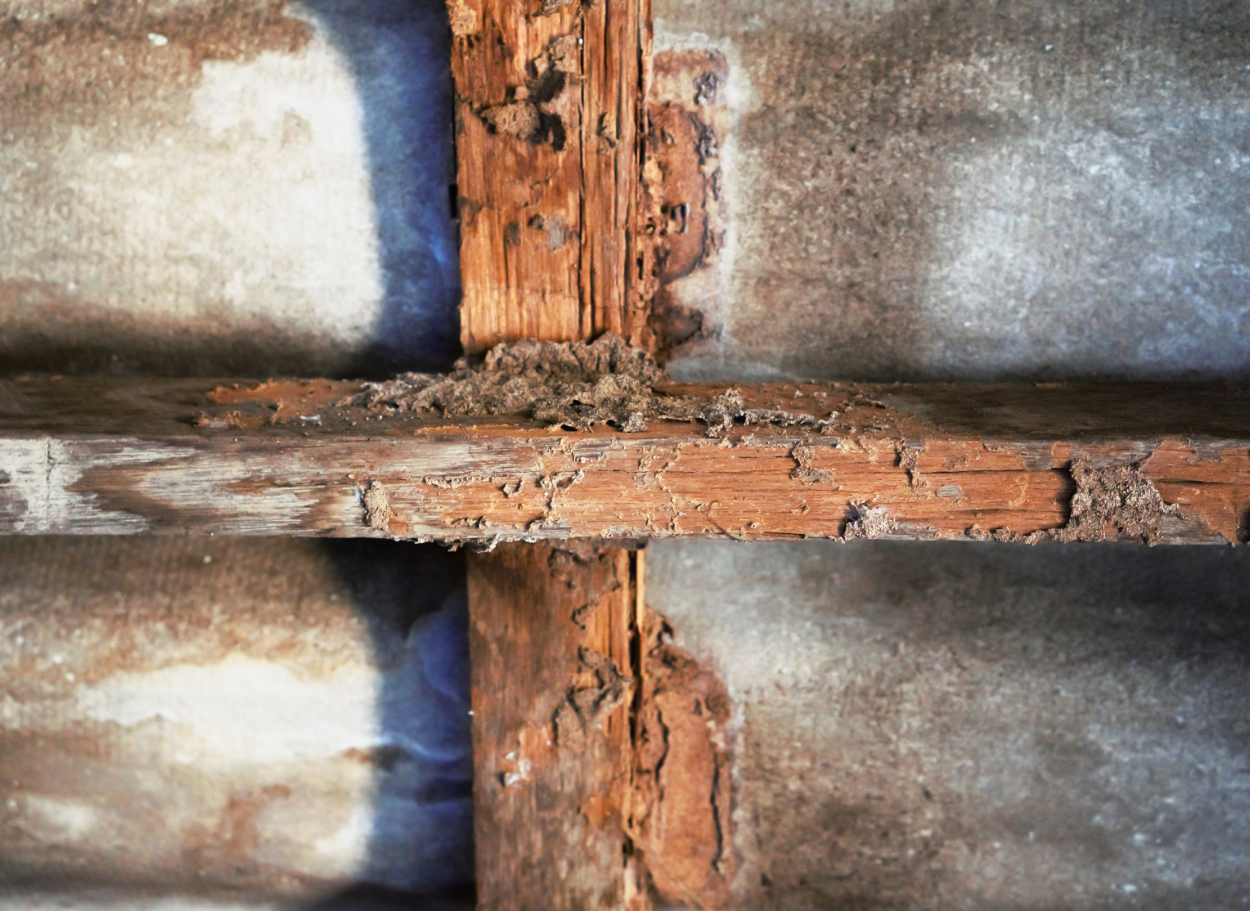
A termite problem rarely announces itself in a dramatic way. More often, it starts quietly behind a wall, beneath a floor, or inside a crawl space where no one spends much time looking. By the time the damage becomes visible, the colony has usually been active for months, sometimes years. That is why termite control is not simply about getting rid of insects. It is about protecting the structural integrity of a building before small signs turn into expensive repairs.
Homeowners often picture termites as a nuisance similar to ants or roaches. In practice, they pose a Termite Control Services very different level of risk. Cockroaches contaminate surfaces. Ants invade kitchens. Termites consume cellulose, which means they feed on the wooden parts of a house and, in some cases, on paper-faced drywall, trim, subflooring, and framing components. Left unchecked, they can weaken joists, wall studs, support beams, and other essential elements that give a structure its strength.
Professional termite control services exist to interrupt that process early. Their value is not limited to extermination. A good service identifies risk conditions, detects hidden activity, tailors treatment to the building type, and puts monitoring in place so the property stays protected over time. When that work is done well, it prevents structural damage that would otherwise remain unseen until the cost and disruption are much higher.
Why structural damage from termites is often underestimated
Termite damage develops differently from storm damage, plumbing leaks, or fire. Those problems usually leave immediate evidence. Termites work from the inside out. Wood can look normal on the surface while being hollowed internally. A window frame may still hold paint. A baseboard may still appear straight. Meanwhile, the material behind it may have lost a meaningful percentage of its strength.
Subterranean termites are especially destructive because they rely on soil contact and moisture, then travel through mud tubes into a structure. Once they establish a feeding path, they can move through framing in concealed areas with very little disturbance on the surface. Drywood termites behave differently, living directly in wood rather than in the soil, but they can also remain undetected for long periods.
This hidden pattern is what makes professional intervention so important. A homeowner may notice blistering paint, soft flooring, or a door that suddenly sticks, yet none of those symptoms points neatly to termites without experience. I have seen properties where owners assumed they had minor water damage, only to learn that termites had already compromised trim, sheathing, and sections of subfloor. The repairs were not catastrophic, but they were far costlier than an earlier inspection would have been.
What termite control services actually do
The phrase Termite Control Services sounds straightforward, but it covers a sequence of specialized tasks that go beyond spraying chemicals around the perimeter. Effective termite work begins with inspection and diagnosis. Different species behave differently, and the building itself matters. A slab-on-grade home presents different access points than a house with a crawl space. A detached garage, a porch addition, or earth-to-wood contact near landscaping can all influence the treatment plan.
Professionals look for live termites, but they also look for what experienced inspectors often call conducive conditions. These are the conditions that make infestation more likely or allow termites to thrive unnoticed. Excess moisture under a bathroom, mulch piled against siding, leaking hose bibs, wood debris in a crawl space, untreated lumber in contact with soil, and foundation cracks wide enough to provide a route inward all raise the odds of trouble.
Once the scope is clear, the service typically involves treatment, exclusion, and monitoring. In some properties, that means creating a treated zone in the soil around the foundation. In others, it means installing bait stations that workers carry back to the colony. If drywood termites are present, localized wood treatments, void applications, or in severe cases whole-structure fumigation may be necessary. The right approach depends on the species, the extent of activity, and the construction details of the property.
The point is not to apply a generic product. The point is to break the colony’s access to the building and reduce the chance of reinfestation.
Early detection is where the real savings happen
When people compare costs, they often make the mistake of weighing termite service against doing nothing. That is not the real comparison. The true comparison is between proactive protection and delayed repair.
A professional inspection can uncover activity in places owners do not normally evaluate closely, such as crawl spaces, attic framing, sill plates, expansion joints, and utility penetrations. Catching a colony at that stage can mean treating a contained problem before it spreads through major framing components.
Consider a common scenario in older homes. A minor grading issue allows water to collect near one corner of the foundation. The moisture level stays elevated, subterranean termites exploit the area, and they begin feeding on a sill plate and adjacent studs. If found early, treatment might involve correcting the moisture source, applying a targeted termite treatment, and replacing a limited amount of damaged wood. If ignored for another year or two, that same issue can spread to subflooring, interior wall framing, and possibly require jacking, temporary support, and partial reconstruction. The difference in cost is often measured in thousands, not hundreds.
There is also the issue of disruption. Structural repairs are not just expensive, they are invasive. Floors may need to be opened. Cabinets may need to come out. Exterior finishes may need to be removed to access damaged framing. A good termite control program helps owners avoid the point where repair work affects how the building is used day to day.
How inspections reveal the weak spots in a building
An experienced termite technician is not only looking for bugs. They are reading the building. They note where water drains, where ventilation is poor, where wood gets too close to soil, and where previous repairs may have created concealed vulnerabilities.
Some of the most useful inspections happen when no active infestation is found. That may sound counterintuitive, but prevention often comes down to identifying weaknesses before termites exploit them. For example, a crawl space with high humidity, loose vapor barrier sections, and a plumbing drip is a warning sign even if no mud tubes are visible yet. Likewise, decorative wood elements buried in mulch around the foundation can invite trouble long before damage appears indoors.
A thorough inspection usually includes close attention to these areas:
- Foundation walls, expansion joints, and slab penetrations where termites can enter unseen.
- Crawl spaces and basements where moisture, wood debris, and poor clearance create ideal conditions.
- Exterior siding, trim, decks, and steps where wood may contact soil or retain water.
- Attics and roof framing, especially in homes where secondary moisture issues may attract other wood-destroying organisms.
- Interior signs such as blistered paint, hollow-sounding wood, tight-fitting doors, or sagging floors.
That information matters because treatment works best when it is matched to actual building conditions. Without inspection, termite control becomes guesswork.
Soil treatments and baiting systems prevent deeper damage in different ways
Homeowners often ask which method is better, liquid treatments or bait stations. The honest answer is that each has strengths, and the best choice depends on the property and the infestation pattern.
A liquid soil treatment creates a protective zone around the structure. When applied correctly, it can be highly effective for subterranean termites because it targets the routes they use to move between the soil and the building. In many homes, especially where there is clear access to the foundation perimeter, this method offers relatively fast protection. The quality of the work, however, matters enormously. Gaps in treatment around porches, patios, attached slabs, or utility lines can leave entry points untreated.
Bait systems work differently. Stations are installed in the ground around the structure, and termites feed on bait that is designed to be carried back to the colony. This approach can be very useful where trenching or drilling is less practical, where owners prefer a lower-volume chemical approach, or where long-term monitoring is a priority. Baiting often requires patience and regular follow-up. It is not a set-it-and-forget-it system. When serviced properly, though, it provides both detection and colony suppression.
There are cases where a combined strategy makes the most sense. A structure with active infestation and several construction complexities may benefit from both direct treatment and a monitoring network. Good termite control services explain these trade-offs clearly rather than pushing a one-size-fits-all package.
Termite control is also moisture control
One of the biggest misconceptions about termite prevention is that it is purely a pesticide issue. In reality, moisture management is often half the battle.
Subterranean termites are strongly associated with damp environments. Chronic moisture from poor drainage, leaking pipes, clogged gutters, condensation, or inadequate crawl space ventilation can make a structure much more vulnerable. Even after treatment, those conditions should be corrected. Otherwise, the building remains attractive not just to termites, but to fungi and other wood-destroying organisms that can complicate diagnosis and repair.
I have seen homes where the pest treatment was technically sound, yet recurring moisture problems kept the risk profile high. In one case, a downspout discharged directly at the foundation behind dense shrubs. The owner had paid for termite work before, but no one addressed the water concentration at that corner. The termites came back because the environment stayed favorable. Once drainage was corrected and the area was re-treated, the issue stabilized.
Professional termite services that take prevention seriously often flag these environmental problems during inspection. They may not perform drainage or carpentry work themselves, but their observations can save the owner from repeating the same failure cycle.
Why structural repairs become more complicated once termites spread
Not all termite damage requires major rebuilding, but when it reaches structural members, repair decisions get technical quickly. A damaged trim board is one thing. A compromised sill plate, floor joist, or load-bearing wall stud is another.
Structural wood is designed to carry specific loads. When termites reduce the cross-section of a member, they reduce its capacity. The danger is not always immediate collapse, which is what many people imagine. More often, the house begins to show distress gradually. Floors develop bounce. Door frames go out of alignment. Cracks appear around windows. Porch steps settle unevenly. These symptoms can have several causes, but termite damage is one of the possibilities professionals have to rule out.
By the time repairs reach this level, the work typically involves both pest control and construction coordination. The active infestation must be eliminated before wood replacement makes sense, or the new material can become a fresh food source. Then the damaged sections must be assessed to determine whether they need full replacement, sistering, reinforcement, or only limited repair. Access can be the biggest challenge. A problem in a crawl space corner may be relatively straightforward. A problem behind tiled walls, built-in cabinetry, or finished ceilings can be much more disruptive.
That is why prevention through termite control services is so valuable. It keeps the issue in the pest management category rather than letting it graduate into a structural rehabilitation project.
The signs property owners should never ignore
Termites are secretive, but they still leave clues. The challenge is that those clues are easy to dismiss if you have not seen them before. Swarming winged termites near windows, pencil-width mud tubes on foundation walls, wood that sounds hollow when tapped, and blistering paint that resembles water damage all deserve professional attention.
One of the more misleading signs is a floor that feels slightly soft in only one area. People often assume a spill or an old plumbing issue caused it. Sometimes that is true. Sometimes termites have been feeding from below and the finish flooring hides the extent of the damage. Similarly, a door that suddenly rubs or stops latching can suggest seasonal movement, but it can also reflect subtle structural shift where wood has been weakened.
Homeowners should not try to self-diagnose from one symptom alone. What matters is pattern and context. If a property has moisture issues, earth-to-wood contact, prior infestation history, or visible termite evidence anywhere on site, an inspection should move up the priority list quickly.
The difference between treatment and long-term protection
A one-time treatment can solve an active problem, but long-term structural protection usually requires ongoing attention. Buildings change over time. Landscaping grows. Soil grades shift. Additions are built. Irrigation systems leak. A home that was low-risk five years ago may no longer be low-risk today.
That is why many professional termite programs include annual inspections or scheduled monitoring. This is not simply a recurring service model for revenue, though some owners understandably wonder about that. It reflects the biology of termites and the reality of building maintenance. Colonies can be widespread in a neighborhood, and new access points can develop even after effective initial treatment.
The best ongoing programs do three things well. They verify that the original protection remains intact, they detect new activity before major damage develops, and they keep owners informed about maintenance issues that affect risk. That last piece is easy to overlook. If a technician consistently notes moisture intrusion, wood rot, or direct soil contact, those observations have real preventive value.
What to look for when choosing a termite control provider
Not all pest control companies approach termites with the same depth. Some are excellent at general household pests but less thorough when structural risk is involved. Others specialize in wood-destroying organisms and bring a more detailed inspection process.
A strong provider usually stands out in a few specific ways:
- They inspect carefully and explain findings in plain language rather than jumping straight to a sales pitch.
- They identify species or at least likely termite type, since treatment depends on behavior.
- They discuss building conditions that contribute to infestation, not just the treatment product.
- They outline follow-up expectations, including monitoring, warranty terms, and owner responsibilities.
- They are transparent about limitations, access issues, and areas where repairs or moisture correction are needed.
That level of honesty matters. If a contractor promises total protection without discussing drainage, inaccessible voids, or construction obstacles, caution is warranted. Termite prevention is highly effective when handled correctly, but it still depends on the realities of the structure.
Real prevention is a combination of chemistry, construction awareness, and follow-through
People sometimes look for a single fix, a better product, a stronger chemical, a one-day treatment that guarantees permanent safety. In actual field conditions, the houses that stay termite-free tend to have something broader in place. They have competent treatment, yes, but they also have managed moisture, sensible exterior maintenance, and periodic professional review.
That broader approach explains why termite control services do so much to prevent structural damage. They interrupt active feeding, reduce hidden entry routes, identify vulnerable conditions, and create a monitoring system that catches trouble early. When you stack those benefits together, the result is not just pest control. It is preservation of the building itself.
For homeowners, landlords, and commercial property managers, that distinction matters. The cost of termite service is usually modest compared with the cost of structural carpentry, interior restoration, and the collateral disruption that follows delayed detection. More importantly, early intervention helps preserve confidence in the building. Floors stay solid. Frames stay aligned. Support members keep doing the work they were designed to do.
Termites succeed by staying out of sight. Good termite control services succeed by refusing to let that hidden activity continue long enough to matter structurally. That is where the real value lies, not in a can of product or a one-time visit, but in informed prevention that protects the bones of the property before they start to fail.
Maximum Pest Control
836 NE 7th Terrace Suite #5
Cape Coral, FL 33909
+1 239-772-7363
FAQ About Termite Control Services
What are two signs of a termite infestation?
Mud tubes along a foundation and piles of shed wings near doors or windows are two signs to investigate. Mud tubes are associated with subterranean termites. A licensed inspector can identify the insect and assess whether there is active infestation.
How many years does a termite treatment last?
There is no single timeline for all treatments. The method, site conditions, and maintenance affect how long protection lasts. Bait systems rely on monitoring and service. Ask the provider for the recommended inspection schedule and the terms of any coverage.
Is Termite Treatment Expensive in Cape Coral?
Cost depends on the termite species, the size and construction of the property, the extent of activity, and the treatment method. Request a written estimate after inspection and ask whether monitoring, follow-up visits, and renewals are included.
❧