November 10, 2026
Simple Ways to Extend the Benefits of Termite Control Services
By @louiskhdt019
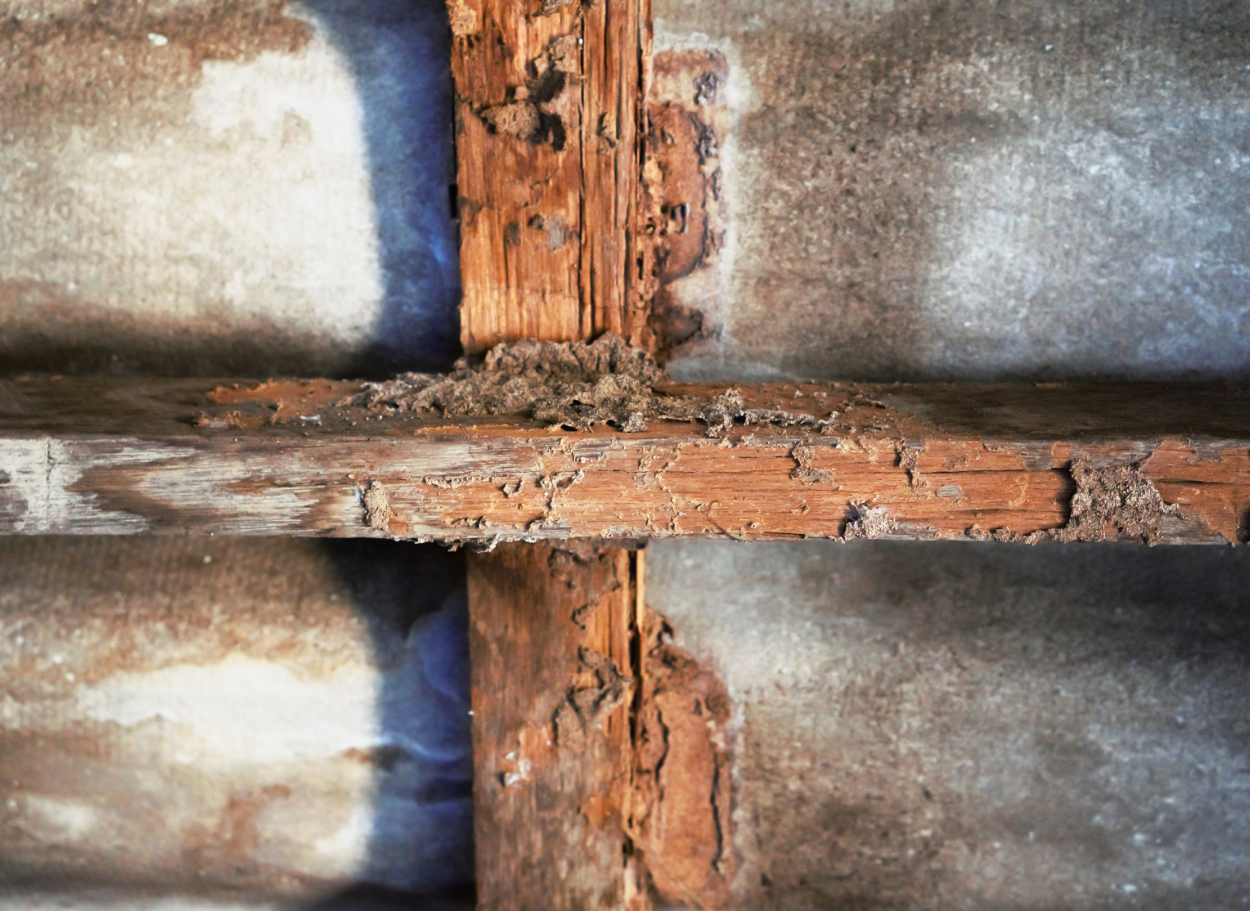
Termite treatment is not a one-and-done event, no matter how thorough the original visit was. Good termite control can stop an active problem, reduce pressure on the structure, and create a much safer baseline. What happens afterward is what determines how long those benefits last. In practical terms, homeowners who keep the property dry, accessible, and easy to inspect usually get far more value from their Termite Control Services than those who treat the house once and then forget about it.
That is not a sales pitch. It is what tends to show up in the field. Two houses on the same street can receive similar treatment and end up with very different results a year later. Often the difference is not the chemical, the bait station, or the brand. It is moisture, storage habits, grading, landscaping, and whether anyone notices the early warning signs before termites regain a foothold.
The encouraging part is that extending the life of termite protection usually does not require expensive renovations. Most of the best steps are simple, practical, and well within the reach of a careful homeowner or property manager.
Start with the biggest driver, moisture
If there is one thing that repeatedly undermines termite prevention, it is excess moisture around or under the home. Subterranean termites, the type most people deal with, need Termite Control Services moisture to survive. Dry wood is less appealing, but damp wood and damp soil around structural elements can make a property much more inviting.
The pattern is familiar. A treatment is completed, activity drops off, and everyone assumes the issue is solved for the long term. Then a slow plumbing leak under a bathroom, an overflowing gutter at a corner post, or a persistently wet crawlspace quietly changes the conditions. The termites do not need a dramatic opening. They need opportunity.
Pay attention to the places where water lingers. Downspouts that dump water against the foundation are common trouble spots. So are clogged gutters, soil that slopes toward the house, condensation around HVAC lines, and mulch piled too high against exterior walls. Crawlspaces deserve special attention because problems there can go unnoticed for months. Even minor dampness can keep structural wood vulnerable.
I have seen more than one case where a homeowner spent a solid amount on treatment and then unknowingly kept a section of the home termite-friendly with a simple irrigation issue. A sprinkler head was hitting the siding twice a day. It seemed harmless. Over time it kept that area damp, softened the soil line, and created ideal conditions for renewed activity. Adjusting the sprinkler and improving drainage did more to protect the treatment results than any cosmetic fix inside the house.
Make it easy to inspect the structure
One of the simplest ways to extend the benefits of Termite Control Services is to keep the home accessible for inspection. Termites thrive in hidden areas. If the perimeter of the house is blocked by dense shrubs, stored lumber, old cardboard boxes, or stacked firewood, early signs become harder to catch.
Professional inspections work best when the technician can actually see the foundation, sill areas, crawlspace entry points, and other vulnerable locations. If half the exterior wall is buried behind ivy or decorative storage, that visibility disappears. The result is not always an immediate failure, but it does increase the chance that a small issue will go unnoticed until the damage is more advanced.
This matters most around the foundation. Leave some visual clearance between soil, plants, and siding where possible. If your home has mulch beds, keep the mulch thin and avoid piling it high against the wall. Mulch itself does not automatically cause termites, but thick, damp mulch against the structure can hold moisture and hide termite tubes.
The same principle applies indoors. Basements, utility closets, garage walls, and under-sink areas should not be packed so tightly that no one can inspect them. People often think of termite prevention as a specialty service delivered from the outside, but the ongoing advantage comes from keeping the building observable.
Treat wood-to-soil contact as a real risk
A surprising number of termite problems continue because parts of the house or yard create direct bridges from soil to wood. Deck posts, fence attachments, siding that sits too low, lattice, stair stringers, and even wooden form boards left in place after construction can all become access points.
This is one area where small corrections can have a disproportionate effect. If wooden trim touches the soil, raise the grade or modify the trim. If a deck ledger traps debris and moisture against the house, clean it and inspect it. If an old tree stump sits close to the foundation, remove it when practical. Stumps do not automatically lead termites into the home, but they can support nearby colonies and make the area more attractive.
Firewood storage is another recurring issue. Many homeowners keep stacks of wood right beside the house for convenience. It is understandable, especially in colder regions, but it is not ideal. Firewood can harbor termite activity or at least provide shelter and moisture retention near the foundation. Storing it farther from the structure and off the ground reduces that risk.
There is also a judgment call here. Not every piece of wood in the yard is a crisis. A raised garden bed ten feet from the house is not the same as untreated wood framing in direct contact with damp soil under a porch. The goal is not to eliminate all wood outdoors. The goal is to remove easy termite pathways.
Respect the treatment method that was used
Not all termite treatments work the same way, and homeowners get better long-term results when they understand what was actually done. A liquid soil treatment around the foundation creates a different maintenance picture than a baiting system. Spot wood treatments are different again. The aftercare should match the method.
With liquid treatments, one common mistake is disturbing treated soil without thinking about it. Major landscaping changes, trenching, digging for utility work, adding a new patio edge, or regrading near the foundation can break the continuity of the treated zone. That does not always erase protection, but it can weaken it enough to matter.
With bait systems, neglect is the usual problem. Bait stations need periodic monitoring. If they are installed and then forgotten for years, the system loses much of its value. Stations can be buried, damaged by lawn equipment, or rendered inaccessible by overgrown landscaping. A good baiting program depends on follow-up.
This is why service records matter. If you own the home, keep the documentation from your Termite Control Services somewhere easy to find. Know the treatment date, the areas covered, the warranty terms if any, and whether annual inspections are required. If you sell the home later, those records are useful. More importantly, they help you avoid accidental gaps in protection.
Do not skip follow-up inspections because things look quiet
Silence is not proof. Termites are stealth pests by nature, and homeowners often assume no visible damage means no issue. In reality, the early stages of renewed activity can be easy to miss. Mud tubes in a back corner of the crawlspace, subtle blistering in trim, or a soft window frame in a guest room may not draw attention right away.
Routine follow-up is where a lot of long-term savings happen. A modest inspection cost can catch a problem before it becomes a structural repair. That trade-off is usually worthwhile. Replacing damaged sill plates, subfloor sections, trim, drywall, and finishes can quickly move into the thousands. In heavier cases, the cost can rise much higher.
A practical schedule depends on the region, the termite species, the home design, and prior history. In many cases, annual inspections make sense. Some homes with known risk factors, such as extensive crawlspaces, past infestations, or heavy moisture conditions, may benefit from closer observation. Your pest professional can recommend a frequency, but the important point is consistency.
One homeowner I spoke with once postponed an annual inspection because the previous year had been clean and the house looked fine. A year later, a small hidden issue near a porch column had grown into a repair that involved trim, sheathing, and part of the substructure. It was not catastrophic, but it was completely avoidable. The treatment had not failed overnight. The follow-up had failed.
Keep landscaping from working against you
Landscaping can make a house look finished and well cared for, but it can also create blind spots and wet zones if it is too dense around the structure. Thick shrubbery that traps humidity against the exterior, ground cover that hides the foundation line, and decorative timbers set directly against the house all make inspection and drying more difficult.
Aim for a balance between aesthetics and access. You do not need bare dirt around the home, and few people want that anyway. What helps is a perimeter that dries reasonably well after rain and allows someone to visually inspect the lower wall area. Trim plants back so they do not press tightly against siding. Keep vines under control. If you use mulch, refresh it sparingly rather than building up thick layers year after year.
Irrigation deserves special mention. Automatic systems are convenient, but they are notorious for quietly overwatering one section of the yard. A sprinkler that hits the foundation every morning can create exactly the kind of recurring moisture termites exploit. Walk the system occasionally while it is running. That five-minute check can reveal a lot.
Pay attention after storms, plumbing work, or renovations
Some of the most important termite prevention moments happen after other home issues. Heavy rains can expose drainage flaws. Plumbing repairs can disturb soil or reveal hidden moisture. Renovations can open walls, shift landscaping, or create debris piles that should not be left against the house.
After any major weather event or construction project, do a deliberate walkaround. Look for ponding water near the foundation, downspouts that have come loose, soil piled against siding, or wood scraps left in crawlspaces and around exterior walls. Contractors are not always thinking about termite risk while focused on their own trade. It is worth checking their work from that perspective.
This is especially true if a bathroom, kitchen, or laundry room has had a leak. Wet framing can remain attractive to termites even after the visible problem seems solved. Drying, repair quality, and follow-up inspection all matter. I have seen repaired leak areas where the new finish looked perfect but the hidden framing remained damp enough to keep attracting attention.
Know the signs that deserve a call
Many homeowners wait for obvious, dramatic damage. By then, the issue has usually been present for a while. It helps to know the smaller clues that justify bringing in a professional sooner rather than later.
- Mud tubes on foundation walls, piers, or crawlspace surfaces.
- Wood that sounds hollow or feels soft when lightly probed.
- Swarmers or discarded wings near windows, doors, or light sources.
- Bubbling paint or unexplained surface distortion that resembles water damage.
- Doors or windows that begin sticking near areas with known moisture issues.
None of these signs confirms the full extent of a termite problem on its own, and some can have other causes. That is exactly why early inspection is useful. Guessing saves very little and can cost quite a lot.
Make small maintenance habits part of the protection plan
The homes that stay in better shape over time usually do not rely on one big defensive move. They benefit from steady maintenance. Termite control is no different. A few habits, repeated consistently, often extend the practical value of treatment far more effectively than an occasional burst of attention.
Here is a short maintenance routine that works well for many properties:
- Check gutters and downspouts at least seasonally, and direct water away from the foundation.
- Inspect the exterior base of the home every few months for hidden mulch buildup, mud tubes, and wood contact with soil.
- Keep crawlspaces, basements, and utility areas dry, ventilated, and accessible.
- Store firewood, cardboard, and scrap lumber away from the house and off the ground.
- Keep annual or recommended termite inspections on the calendar.
These are not glamorous tasks, but they are the kind that preserve expensive work already done. Think of them as protecting the investment rather than adding a new burden.
Understand where DIY helps, and where it does not
Homeowners can do a lot to support termite prevention, but there is a line between helpful maintenance and false confidence. Moisture control, storage changes, grading corrections, and regular visual checks are worthwhile. Trying to self-diagnose a concealed infestation or imitate a professional treatment plan with retail products is much less reliable.
Termite Control ServicesThis matters because termites are persistent, and their activity often starts in places people cannot safely or easily evaluate on their own. A can of foam or a perimeter spray from the hardware store may kill visible insects in one spot without addressing the colony pressure, entry route, or underlying conditions. It can also delay a proper inspection because the problem appears to improve temporarily.
The better approach is partnership. Let professional Termite Control Services handle the diagnosis, treatment strategy, and scheduled monitoring. Use homeowner maintenance to preserve the conditions that make those services effective. That division of labor tends to produce the strongest long-term results.
Older homes and certain designs need extra attention
Some houses simply present more termite risk than others. Older homes may have settled grades, aging crawlspace ventilation, hidden wood repairs, or additions built under different standards. Homes with extensive porches, decks, planter boxes, or complex roof drainage often have more places where moisture and wood come together.
Slab homes have one risk profile, crawlspace homes another. Neither is immune. Slab homes can hide termite entry behind finished walls and expansion joints. Crawlspaces are easier to inspect in some ways, but they are also more vulnerable to chronic dampness and neglected leaks. If your property has a known history of termites, assume that history matters. It does not mean constant trouble is inevitable, but it does justify a little more vigilance.
Climate also shifts the equation. In warm, humid regions, termite pressure can be higher and active for longer stretches of the year. In drier climates, irrigation patterns and isolated moisture sources may play a larger role. Local knowledge matters, which is another reason ongoing service relationships are useful.
The best results come from keeping conditions unfavorable
The core idea is simple. Termite treatments perform best when the home does not keep recreating the very conditions termites need. Dry wood, controlled moisture, visible foundations, sensible storage, and regular inspection all make it harder for termites to return and easier to catch them if they do.
That is how you extend the benefits of Termite Control Services in a practical, defensible way. You do not need to turn your house into a laboratory or obsess over every piece of mulch. You do need to stay attentive to moisture, access, and maintenance. Most termite problems that become expensive were not truly sudden. They were gradual, hidden, and given time.
The good news is that the opposite is also true. Small, steady actions compound in your favor. A corrected downspout, a cleaner crawlspace, a clear inspection path, and one timely follow-up visit can preserve years of protection. For a homeowner, that is money well spent and stress avoided.
Maximum Pest Control
836 NE 7th Terrace Suite #5
Cape Coral, FL 33909
+1 239-772-7363
FAQ About Termite Control Services
What are two signs of a termite infestation?
Mud tubes along a foundation and piles of shed wings near doors or windows are two signs to investigate. Mud tubes are associated with subterranean termites. A licensed inspector can identify the insect and assess whether there is active infestation.
How many years does a termite treatment last?
There is no single timeline for all treatments. The method, site conditions, and maintenance affect how long protection lasts. Bait systems rely on monitoring and service. Ask the provider for the recommended inspection schedule and the terms of any coverage.
Is Termite Treatment Expensive in Cape Coral?
Cost depends on the termite species, the size and construction of the property, the extent of activity, and the treatment method. Request a written estimate after inspection and ask whether monitoring, follow-up visits, and renewals are included.
❧